Finding Your First Volunteer Role — Where to Start in Ireland
A practical walkthrough of discovering local opportunities through community centres, charities, and grassroots initiatives. What to expect in your first week.
Read ArticleWhy shared volunteer experiences create stronger bonds than typical social circles. We talked to volunteers about the friendships they’ve made.
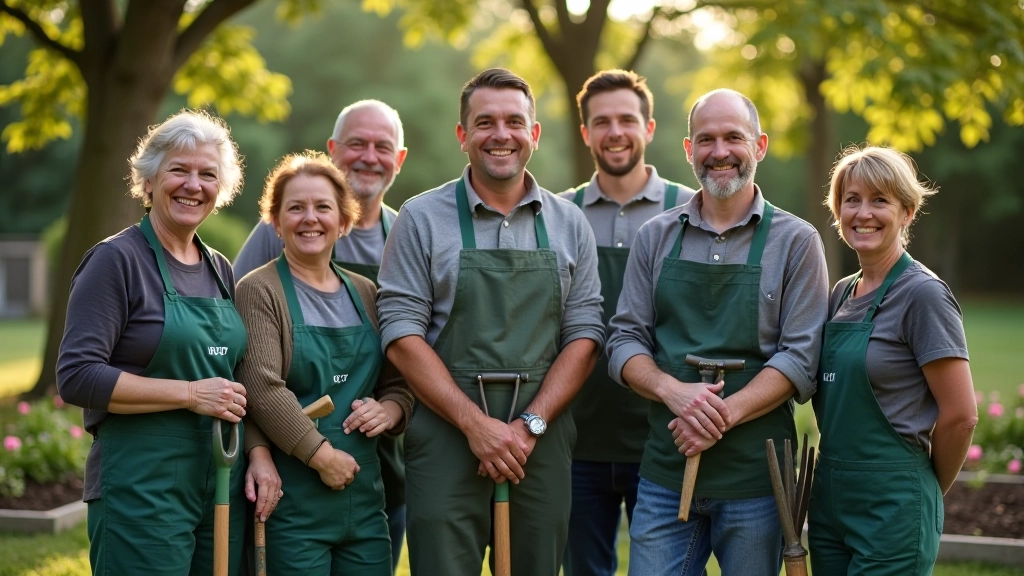

When you volunteer, you’re doing something meaningful. But here’s what often surprises people: the friendships you make become the best part. It’s different from friendships that just happen at work or through school. When you’re working side by side toward something you both care about, connection builds differently.
We’ve talked to dozens of volunteers across Irish community centres, charity programmes, and local initiatives. The pattern’s clear. They came to help their community. They stayed for the people.
Volunteer friendships form through shared purpose, not proximity. You’re working toward something bigger than yourself with people who’ve made the same choice.
Think about typical friendships. You meet someone at a café or through a friend’s network. You chat, find common interests, maybe grab a coffee. It’s a gradual process with no particular urgency. Volunteer friendships work differently. You’re both showing up because something matters to you.
This creates an immediate foundation. You don’t need small talk to fill silence. You’re already engaged with a shared goal — maybe it’s helping elderly residents in a community centre, organizing a local food bank, or teaching kids sports skills. From the first moment, you’re working together.
One volunteer we spoke with, Aoife from Dublin, described it perfectly: “I wasn’t expecting to make friends. I just wanted to help at the youth centre. But within two weeks, I was genuinely close to the other volunteers. We weren’t just coworkers — we were on the same mission.”
“You don’t need small talk when you’re working toward something that matters. The friendship just builds naturally.”
This article is based on interviews with volunteers and community programme coordinators across Ireland. It’s designed to help you understand how volunteer experiences can lead to meaningful friendships. Everyone’s experience is different — your own volunteer journey will be unique to your community and the people you meet. We encourage you to explore local opportunities and form your own connections.
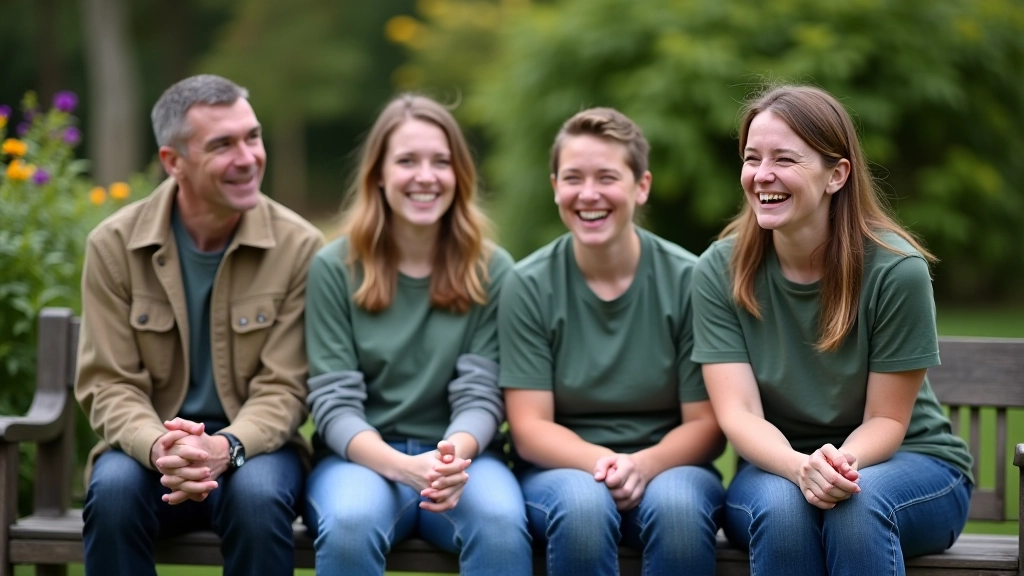
You know from the start why you’re both there. No awkward “how do we know each other” questions. You’re united by choice and values.
Volunteering involves caring. That creates space for honesty. You’re not performing for each other — you’re genuinely engaged.
When you help someone together, you celebrate together. Those moments bond you in ways casual friendships rarely achieve.
We asked volunteers to describe their friendships. Their stories show how different these connections really are.
“Wasn’t sure about volunteering at first honestly. But after three months at the food bank, I’d made real friends. We don’t just see each other during shifts — we grab coffee after. It’s proper friendship, not just coworker stuff.”
“My daughter started volunteering at the community centre teaching kids art. Six months in, she’s genuinely close with the other volunteers. They’ve become her friend group. She actually talks about them constantly. I’ve never seen her this engaged with a social circle.”
“I joined the environmental group thinking I’d just pick up litter once a month. But the people I work with — they’ve become my closest friends. We share the same values, we’re committed to something bigger, and that creates a bond you don’t find elsewhere. We’re planning a trip together now.”

Volunteer friendships tend to be durable. Here’s why they stick.
You’ve chosen the same cause. That alignment runs deep and creates real connection beyond surface-level interests.
You see each other consistently during volunteer sessions. Regular interaction builds stronger bonds than sporadic meetups.
You’re both choosing to be there. No one’s forced into the friendship. It’s built on genuine mutual interest.
You’re both developing skills, gaining perspective, and changing through the experience. Growing together strengthens bonds.
Want to develop meaningful friendships through volunteering? Here’s what actually works.
Don’t volunteer just to volunteer. Pick a cause that matters to you — whether it’s youth development, environmental work, food security, or community support. Your genuine interest shows, and it attracts like-minded people.
Friendships need consistency. Aim for at least 2-3 sessions per month at the same organisation. You’ll start recognising faces and conversations will deepen naturally over time.
Don’t perform or pretend. The best volunteer friendships happen when people are genuine. Share your perspective, ask real questions, be honest about your experience.
After a few sessions, suggest grabbing coffee or lunch with someone you’ve connected with. It doesn’t have to be formal. A casual coffee solidifies the friendship outside the volunteer context.
Volunteering isn’t just about the hours you give or the impact you have. It’s also about who you become through the experience and the people you meet along the way. These friendships — built on shared purpose, regular interaction, and genuine care — tend to be among the most meaningful you’ll form.
If you’re thinking about volunteering, go for it. You’ll help your community. You’ll grow as a person. And very likely, you’ll make some of your best friends. That combination isn’t something you find everywhere.
Explore volunteer opportunities in your area through local community centres, charities, and initiatives. Start with one that genuinely interests you.
Read: Finding Your First Volunteer Role